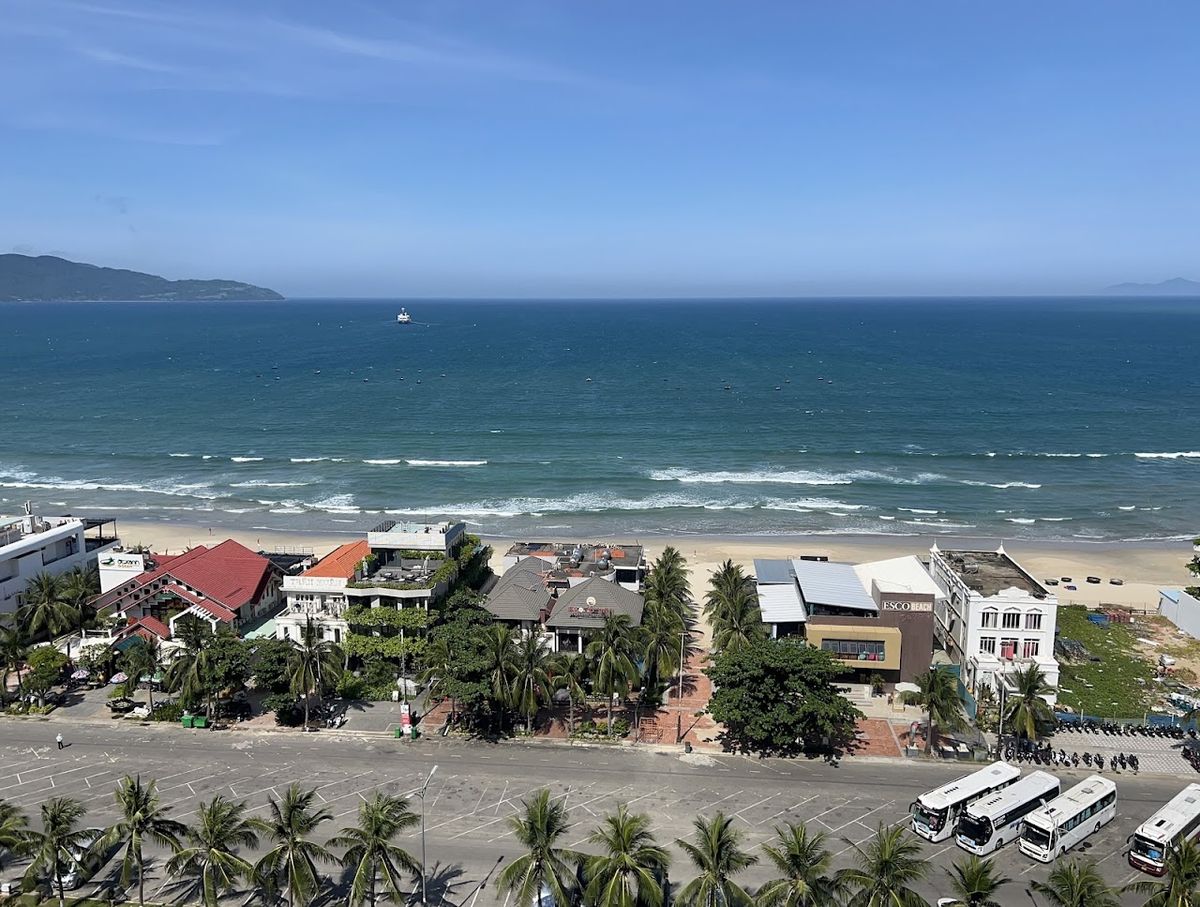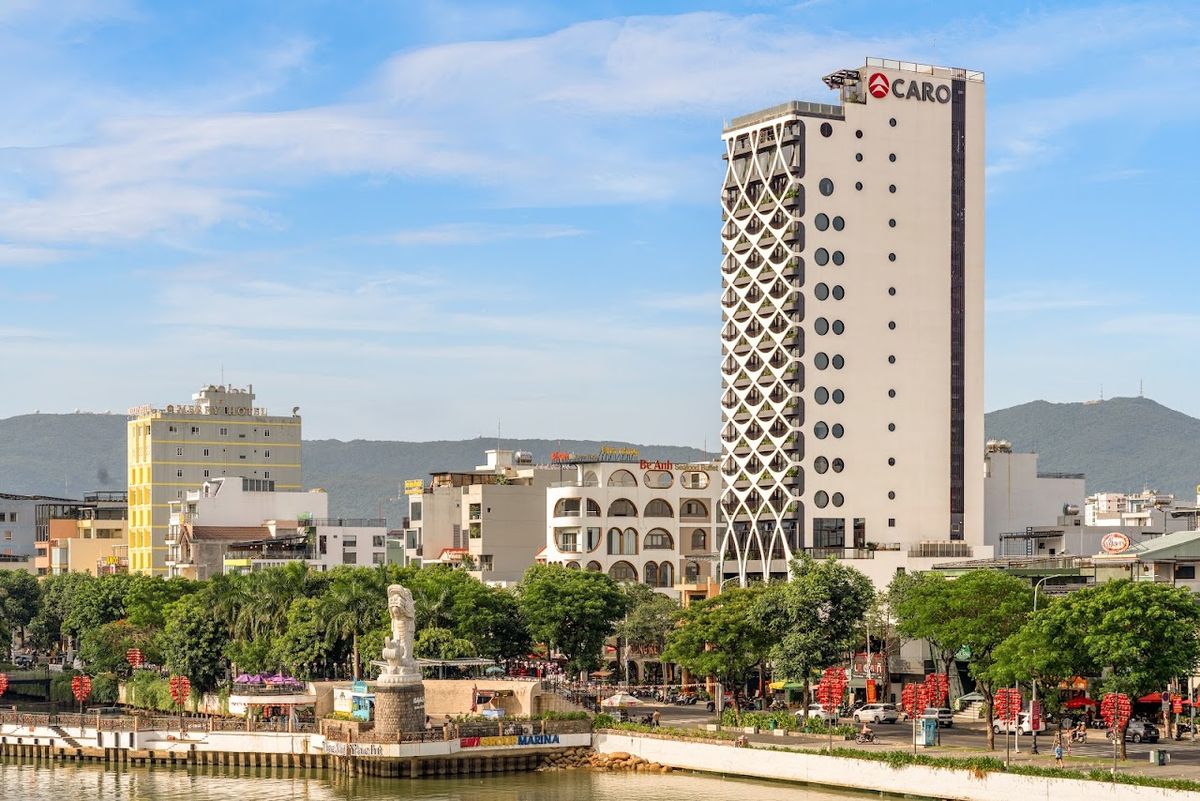






Da Nang is a mid-sized city with a compact beach strip, a walkable riverfront, and most sights within 10–30 km of the centre. I like a city that does not make you study a transit map. This is that city, with one catch: know Grab from the airport touts on day one, or you will donate money to a stranger before you have found your hotel.
Quick facts
- Grab is the default for almost everything in the city. The price is fixed, and there is nothing to haggle.
- Motorbike hire from ₫120,000/day opens up Son Tra, the coast, and the Hai Van Pass.
- Airport (DAD) to city/beach: Grab ₫80,000–₫150,000, takes 10–20 minutes.
- To Hoi An: Grab car ₫350,000–₫450,000, ~45 minutes; a private transfer is similar.
- Metered taxis exist, and they are less predictable. Stick to Grab if the phone is working.
Scooter hire in Da Nang
Daily price, licence rules and the Hai Van ride
₫120,000–150,000 a day in low season, ₫180,000–250,000 in high season (Dec–Mar, Tet)
Basic automatic. BikesBooking's own range; its live listings showed a Honda Airblade 125cc at €8.21 and a PCX 160cc at €14.63 a day. Source: bikesbooking.com/en/rent-a-scooter-in-Da-Nang/, 12 Oct 2026.
- Licence: GOV.UK says to carry the 1968 International Driving Permit with your home licence for a car or motorbike in Vietnam.
- Helmets are compulsory for rider and passenger (GOV.UK, updated 21 Sep 2026).
- Don't leave your passport as a deposit (GOV.UK).
- Insurance: EKTA's "Active rest" plan lists mopeds and motorcycles; "Calm rest" doesn't. Check the policy wording.
Compare scooters on BikesBooking
Driving to Hoi An or over the Hai Van Pass? Localrent lists local car-hire firms in Da Nang. Prices are shown for your dates. Check cars on Localrent
Straight to Hoi An from the airport? Kiwitaxi's fixed fare from DAD is from US$34 per car (29 km, about 40 min); into Da Nang it's from US$31 per car (8 km). Kiwitaxi, 12 Oct 2026. A Grab car to My Khe is ₫80,000–130,000 (this guide). See Kiwitaxi fares from DAD · Or price a Welcome Pickups car
Prices checked 12 Oct 2026. Not legal or insurance advice.
Grab
Grab is the ride-hailing app that actually runs Vietnam, and it is the one I would open for most city trips. It is the same app you may already have from elsewhere in Southeast Asia. Download it, add a payment method (international Visa and Mastercard are accepted, or top up with cash), and the price is fixed before you confirm. That last bit is the whole point.
GrabCar (standard car) is what most visitors should use. GrabBike (motorbike taxi) is faster through traffic and significantly cheaper. It also asks you to be comfortable on the back of a motorbike, and to have somewhere to put your luggage that is not a full suitcase. If the bag is bigger than a day pack, you have become the luggage.
Sample Grab fares (2026 approximate)
| Route | GrabCar | GrabBike |
|---|---|---|
| Airport (DAD) to My Khe Beach | ₫80,000–₫130,000 | ₫40,000–₫60,000 |
| Airport to city centre | ₫80,000–₫150,000 | ₫40,000–₫65,000 |
| My Khe Beach to Dragon Bridge | ₫30,000–₫50,000 | ₫15,000–₫25,000 |
| City centre to Marble Mountains | ₫50,000–₫80,000 | ₫25,000–₫45,000 |
| City centre to Son Tra Peninsula | ₫80,000–₫120,000 | ₫40,000–₫60,000 |
| Da Nang to Hoi An | ₫350,000–₫450,000 | Not practical |
These are estimates based on 2026 data. Grab prices move with demand, and surge pricing applies at peak times (6–9 am, 5–8 pm, and whenever it rains). Booking about 15 minutes before you need the car usually avoids the worst surges. I would rather wait those 15 minutes than refresh the app in a downpour and watch the fare climb.
Practical note: Grab does not reliably serve the Ba Na Hills mountain road. For that trip, arrange a private transfer or join a tour. The Ba Na Hills guide has the details, including why the return car is the annoying part.
Motorbike hire
A motorbike opens the parts of Da Nang that Grab makes expensive or fiddly: Son Tra Peninsula, the Hai Van Pass, the coast road south toward Hoi An. For the city itself, a motorbike is overkill unless you are already confident in Vietnamese traffic. I would not rent one just to feel like a local for a beach lunch.
Daily rates (2026): ₫120,000–₫150,000 for a standard automatic scooter (semi-automatic available for less). Rental shops cluster near the beach district and the city centre. Most ask for your passport as a deposit, or a cash security hold of ₫1,000,000–₫3,000,000. The box above is blunt about the passport, and I agree with it. A cash hold is the cleaner deal.
Licence reality: Vietnam technically requires an International Driving Permit (IDP) with a motorbike category for legal riding. In practice, most short-term visitors rent without one, and police rarely stop tourists. If you are in an accident without a valid licence, your travel insurance will likely not cover you. That is the actual decision. The “everyone does it” story does not pay a hospital bill.
Insurance: Rental bikes come with basic third-party insurance built in. Confirm that with the shop before you ride, out loud, not with a hopeful nod.
Traffic: Da Nang is lighter than Ho Chi Minh City or Hanoi, which is not the same as quiet. Motorbikes dominate, signals are suggestions, and right-of-way works on size and confidence. Take a slow first ride around a quiet block before you commit to a highway. The coast road can wait until the second day.
Da Nang Airport (DAD) transfers
Da Nang International Airport (DAD) is 3–4 km from the city centre and about 5 km from the My Khe Beach strip. It is one of the easier airports in Vietnam to leave, which is a compliment and a low bar at the same time.
Grab from the airport: Order a Grab once you have cleared customs and have WiFi. The airport has a Grab waiting area with free WiFi. A GrabCar to the beach takes 10–15 minutes and costs ₫80,000–₫130,000. This is the simplest option, and the one I would use if the phone has signal.
Fixed-price taxi booths: Inside arrivals, official fixed-price taxi counters post the fare. Prices are fair, and comparable to Grab for the main city routes. Use these if the phone is not set up yet, or if Grab will not match. There is no prize for suffering through a dead app.
Touts and airport taxis: Outside the terminal, unofficial touts will approach you. They are not necessarily dangerous. The fares are not metered, and negotiating in an unfamiliar currency after a long flight is a grim way to start. Walk past them to the official taxi rank, or open the app. A small smile and no conversation works.
Private transfers: If you are going straight to Hoi An from the airport, a pre-booked private transfer (₫350,000–₫500,000 for the car, not per person) is worth a look. It is comparable to Grab on that route, and you are not juggling the app with a suitcase on your foot. Welcome Pickups, Kiwitaxi and GetTransfer are compared, with the buttons, in the Da Nang airport transfer guide. If the phone has no data yet, install one before you land: the best eSIM for Da Nang.
Getting to Hoi An
Hoi An is 30 km south of Da Nang, on a straightforward coastal road. No mountains, no ferries, no plot twist. The options:
Grab: ₫350,000–₫450,000 for a GrabCar, 45 minutes. Door to door, both directions. This is the choice most visitors should make, and the one I would make with luggage.
Private car transfer: Priced similarly to a Grab, sometimes a little above. Book it ahead if you want a car waiting first thing in the morning, before the app has had its coffee.
Shared minibus: Several operators run shared minibuses between Da Nang and Hoi An for around ₫60,000–₫80,000 per person. You get fixed departure times, a longer ride because of drop-offs, and a pick-up from a set point rather than your hotel door. Fine if the timing suits you. Annoying if it does not.
Motorbike: If you have already hired a bike, the coastal road is a pleasant 45-minute ride through suburbs and coastal villages. Navigation is straightforward. This is not the ride to attempt as your first hour on a scooter.
Local bus: Route 1 runs between Da Nang and Hoi An for around ₫30,000. It stops often and takes 1.5–2 hours. For a tight budget it is viable. For most people, the extra cost of a Grab is the better trade, because the time is the expensive part.
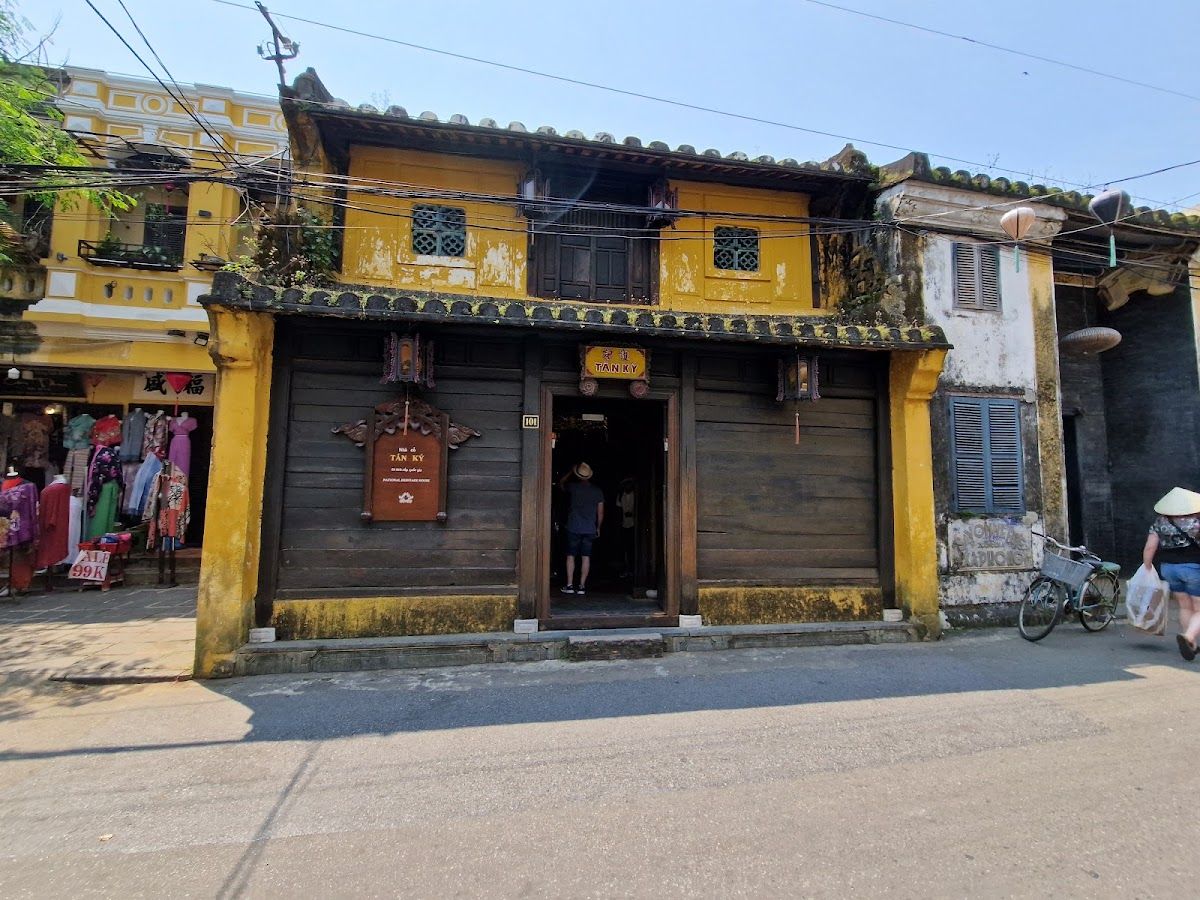
The Hoi An old town guide covers what to do once you are there, including the ticket and the lanterns.
Heading to Hoi An? 12Go lists buses, vans and taxis from Da Nang to Hoi An Ancient Town, with fares from VND 156k (checked 13 Oct 2026). Compare Da Nang to Hoi An on 12Go
The Hai Van Pass

The Hai Van Pass is a 21-km mountain road between Da Nang and the town of Lang Co to the north. At the summit (496 m), you look over the bay on one side and the coast on the other. On a clear day it is one of the best viewpoints in central Vietnam. On a foggy day it is a damp road with a rumour of a view. Check the sky before you commit.
The pass is best on a motorbike, though a car works too. Riding north to south, from Lang Co back to Da Nang, gives you the better views on the way down. A loop from Da Nang to the summit and back is about 50–60 km, which is a half-day trip, not a quick photo stop on the way to lunch.
The train through the Hai Van Tunnel below the pass is the fast option if you are going on to Hue. You will not see the road. That is the trade: speed, or the view. For day trips north that use the pass, see /guides/day-trips-from-da-nang/.
Walking
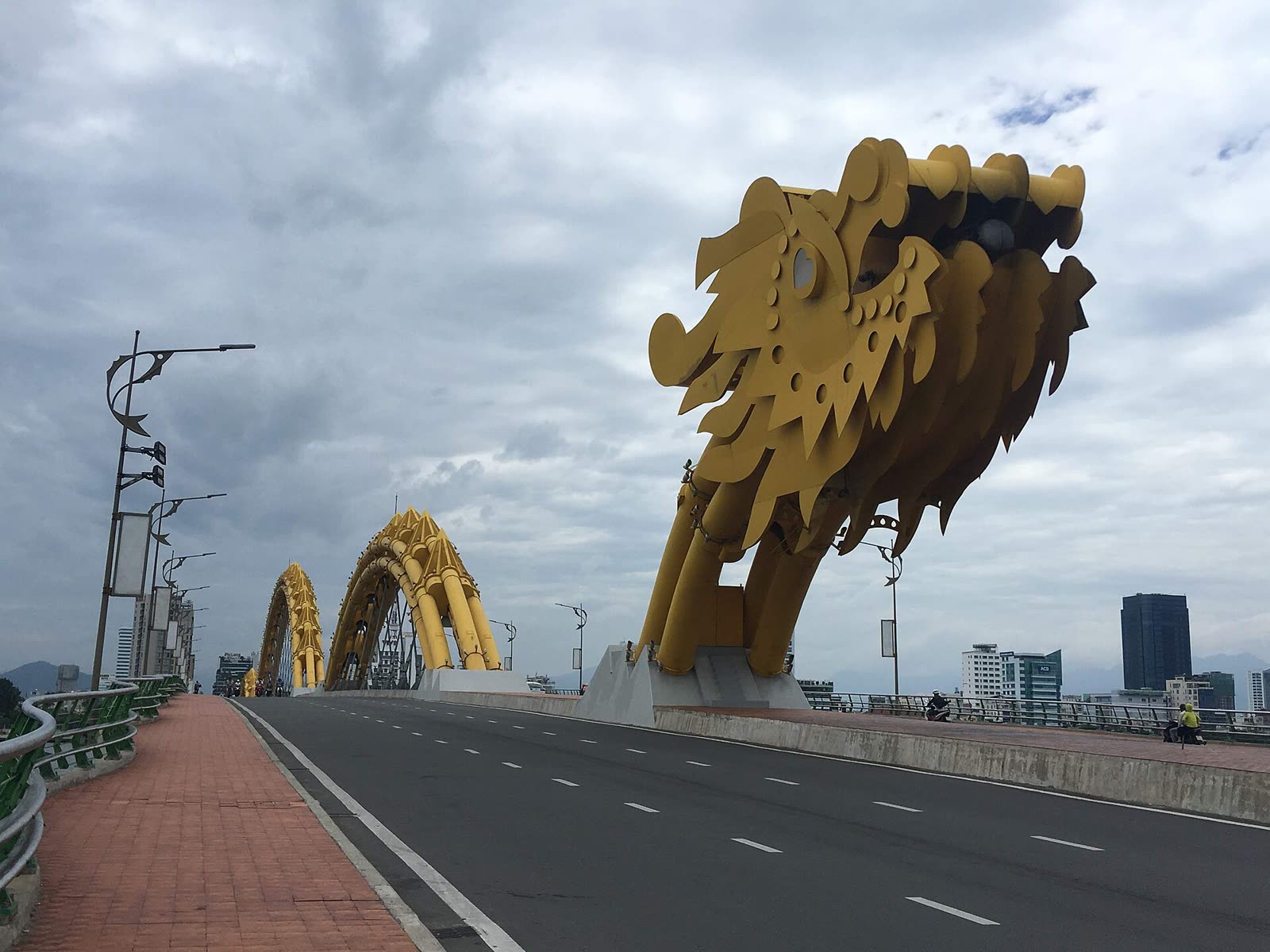
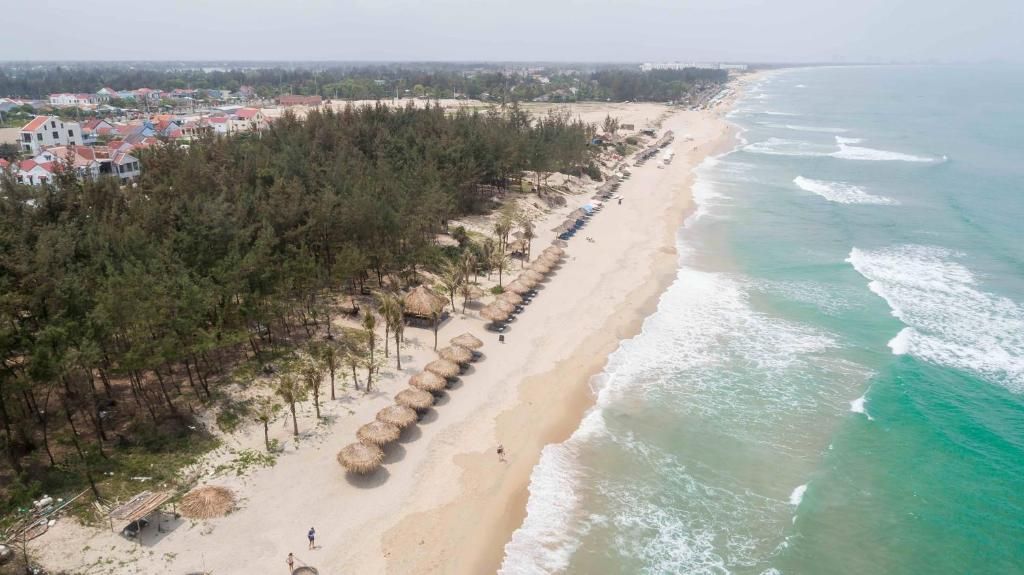
The city centre and the riverfront are walkable, and they should be walked. The stretch along Bach Dang Street from the Dragon Bridge to the Han Market is comfortable on foot. The beach strip from the main resort area along My Khe runs flat for several kilometres. If you want a morning run, this is the stretch. It is flat, it is long, and you can finish before the heat sits on the sand.
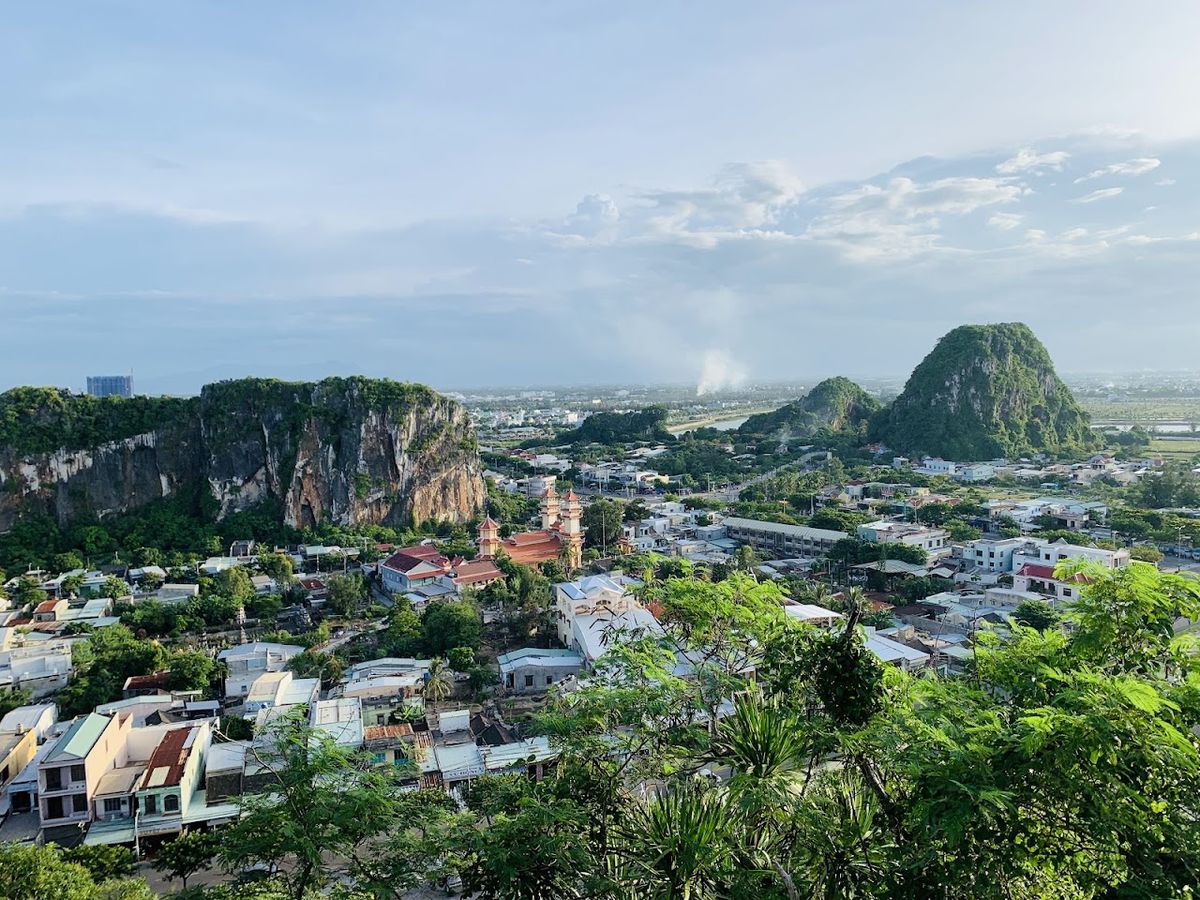
What is not walkable: the Marble Mountains (9 km south), Son Tra Peninsula (10 km northeast), and Ba Na Hills (30 km west). For all of these, you need wheels. I would not try to stitch them together on foot and call it a character-building day.
Taxis — a note
Metered taxis do operate in Da Nang. Established brands, Vinasun and Mai Linh, use meters and are generally reliable. Unmarked taxis, or drivers who resist the meter, should be skipped. There is always another car.
Grab is almost always more convenient because the price is locked in before you get in. If you use a metered taxi, confirm the meter starts at zero and is running before you move. Say it plainly. A driver who argues with that request is telling you something useful.
Parking
If you hire a motorbike, most hotels and guesthouses have guarded parking for free or a small fee (₫5,000–₫10,000). Attractions like the Marble Mountains have paid parking lots at the entrance. Never leave a bike unattended on a quiet street without a proper lock. Da Nang is a low-crime city, and opportunistic theft still happens. The lock is cheaper than the argument.
Where to stay
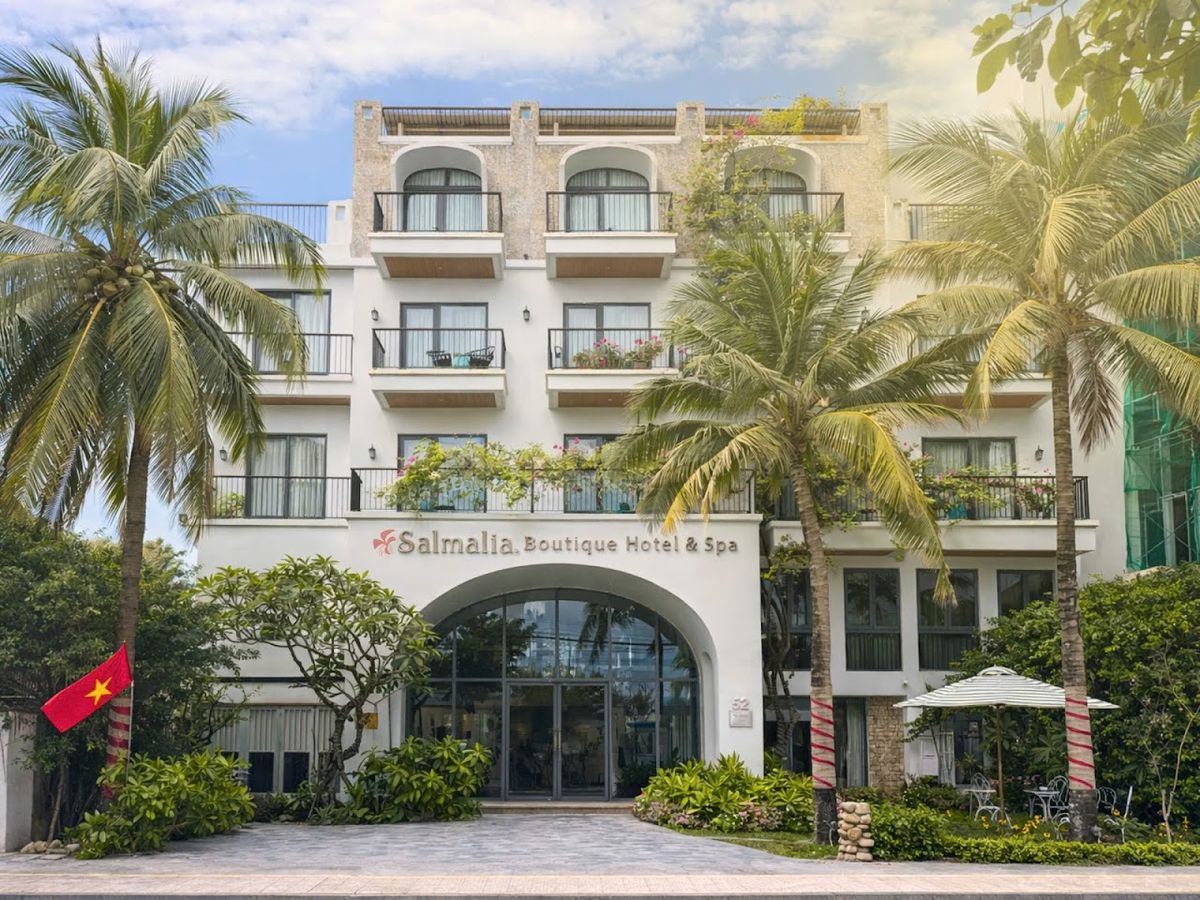
Where you sleep changes what you spend on transport, which is the unromantic truth. A hotel near My Khe Beach puts the sand within walking distance and the river a short Grab away. The city centre is closer to the market and the nightlife, and it is a ₫30,000–₫50,000 Grab from the beach. Browse by area and budget at /hotels/. Airport detail lives in the airport transfer guide. The Hoi An ride is broken down, fare by fare, in Da Nang to Hoi An.
FAQ
Is Grab available at Da Nang Airport?
Yes. A Grab to the city or My Khe is about ₫80,000–150,000 and takes 10–20 minutes. The touts outside arrivals can wait. You do not owe them a conversation.
How much is a motorbike in Da Nang?
About ₫120,000 a day for a basic automatic in the low season, and more in December to March and at Tết. You need an International Driving Permit with your home licence, and a helmet for rider and passenger.
How do I get to Hoi An?
A Grab car is about ₫350,000–450,000 and 45 minutes. The public bus is cheaper and slower. The full fare list is in the Da Nang to Hoi An guide.
Can I walk around Da Nang?
The riverfront and the My Khe beach strip are walkable. The Marble Mountains, Son Tra and Ba Na Hills are not. Those need a Grab or a bike.